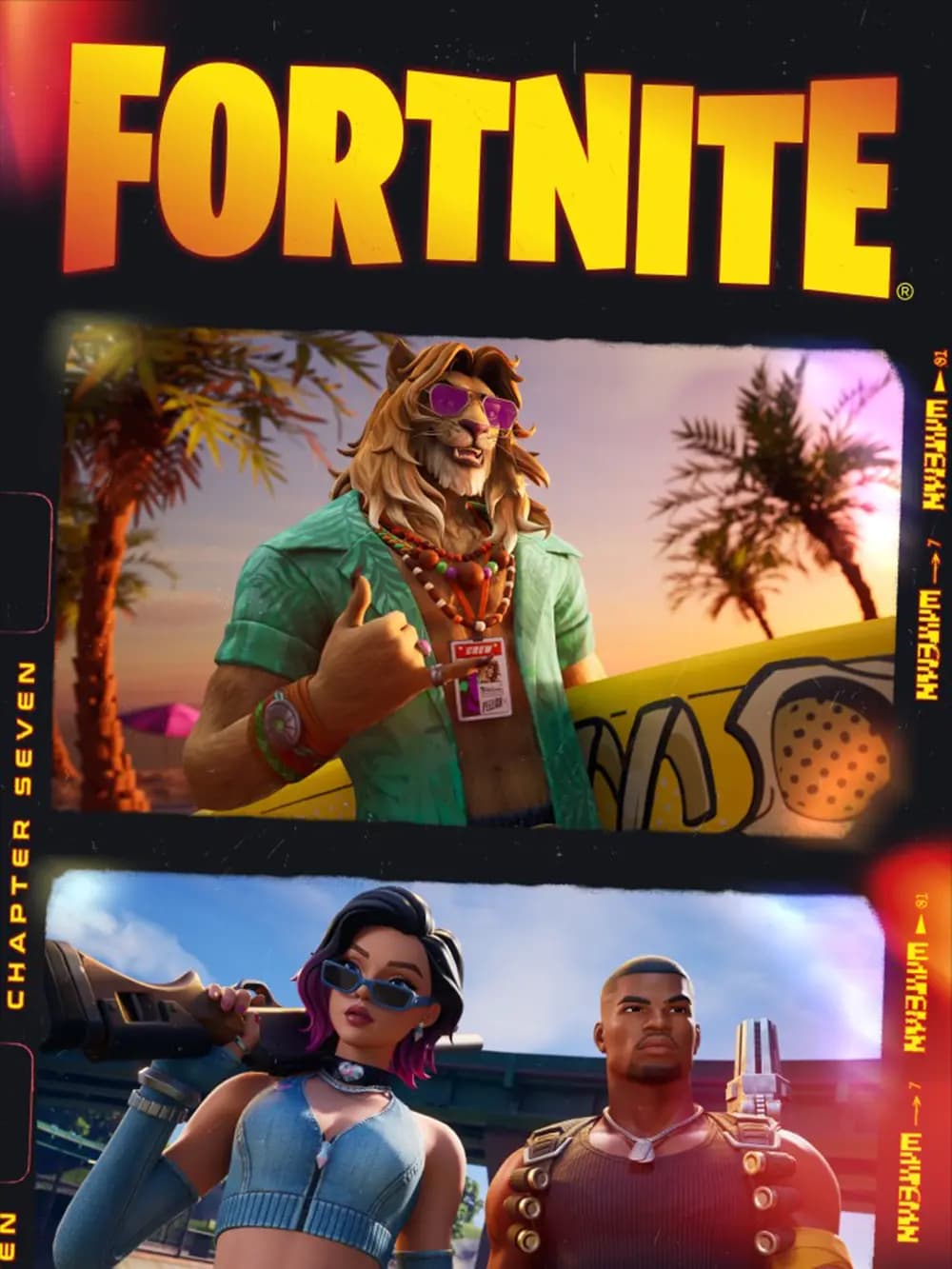
TLDR Fortnite Chapter 7 Debuts with New Content and Scrutiny Fortnite Chapter 7 began on November 30, 2025, following a live event that drew over 10 million concurrent players and transitioned from the prior Simpsons collaboration. The update features a West Coast-inspired map with locations such as Classified Canyon and Battlewood Boulevard, alongside gameplay additions […]
Published December 1, 2025, 8:09 PM
Updated April 30, 2026, 9:23 PM
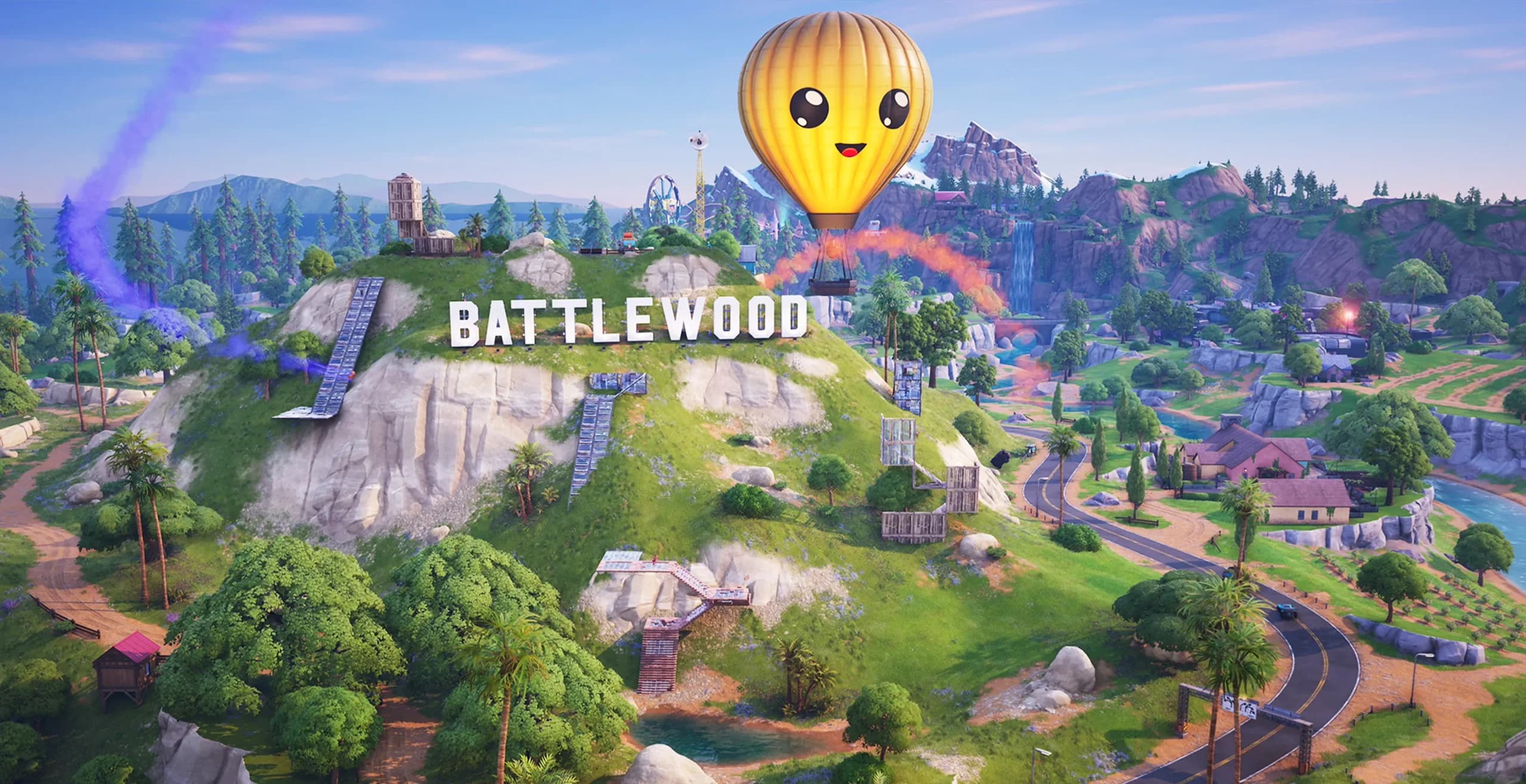
Fortnite Chapter 7 began on November 30, 2025, following a live event that drew over 10 million concurrent players and transitioned from the prior Simpsons collaboration. The update features a West Coast-inspired map with locations such as Classified Canyon and Battlewood Boulevard, alongside gameplay additions like driveable Reboot Vans and a battle pass containing crossover items from Back to the Future and Kill Bill. These elements build on the game’s tradition of seasonal overhauls, emphasizing cinematic themes and quality-of-life improvements such as simplified building mechanics.
Within hours of launch, players began examining in-game environmental details, including posters and graffiti, for signs of generative AI involvement. Common indicators raised include anatomical inconsistencies, such as a yeti character depicted with four toes on one foot and five on the other in a hammock advertisement titled “High Mile Retreat.” Other examples encompass a talk show poster with a tomato-headed host and a necklace design showing irregular folds. These observations align with known artifacts from AI image generation tools, prompting widespread sharing of screenshots across community forums. While the assets integrate into the map’s Hollywood aesthetic, their potential origins have shifted focus from celebratory reactions to concerns about production practices.
Detailed player analyses have highlighted at least three in-game items as probable AI outputs, based on visual discrepancies that exceed typical artistic liberties. The aforementioned yeti poster, located in a retreat-themed area, exemplifies mismatched proportions that do not align with hand-crafted designs, where such errors are rare without intentional stylization. Similarly, a spray featuring Marty McFly in an anime-inspired filter drew initial accusations due to its resemblance to viral AI filters, though the creator later released time-lapse footage demonstrating manual digital painting techniques, confirming its human origin.
Is this Chapter 7 art AI generated?
byu/Thready704 inFortNiteBR
Additional scrutiny falls on the battle pass’s “Latata” emote, an original track promoted as a free reward, which some associate with AI music generation platforms like Mic Drop. The song’s structure and lyrics have been flagged for formulaic patterns common in automated compositions, though no forensic audio analysis has been publicly conducted to substantiate these claims. These identifications occur amid Fortnite’s reliance on licensed and original cosmetics, where authenticity directly impacts player investment in purchasable content. Uncertainties persist, as visual inspections alone cannot conclusively prove AI generation without access to production files, underscoring the challenges in distinguishing advanced tools from traditional artistry in real-time community evaluations.
Epic Games CEO Tim Sweeney expressed views on generative AI’s role in game development shortly before Chapter 7’s release, arguing in a public discussion that disclosure requirements, such as those on Steam, lack relevance for future titles. He noted that AI involvement will extend to nearly all production processes, rendering tags unnecessary except in contexts like art exhibitions or licensing markets where authorship clarity affects rights. This perspective, shared on November 29, 2025, emphasizes efficiency gains but omits specifics on implementation within Epic’s projects.
"No Tim, the customers deserve to know." https://t.co/MCIvfi2HIZ pic.twitter.com/lLBf82LUtb
— 🐝🇬🇷 (@bee_fumo) November 26, 2025
Sweeney’s comments coincide with Fortnite’s history of incorporating AI elements, including a conversational Darth Vader recreation earlier in 2025 that utilized machine learning for voice synthesis with James Earl Jones’s permission. The timing has amplified interpretations linking the statement to Chapter 7’s assets, though Epic has provided no direct response to the allegations. As Fortnite operates on the Epic Games Store, which does not mandate AI disclosures unlike competitors, the company maintains flexibility in asset sourcing. This approach supports rapid content iteration for a live-service title serving millions weekly but invites questions on transparency when player-facing elements appear automated.
The Chapter 7 situation illustrates expanding use of generative AI across video games, where tools accelerate asset creation but provoke debates on creative integrity and employment impacts. Industry observers note that while AI excels in prototyping mundane elements, its application to visible features risks perceptions of cost-cutting in high-revenue titles like Fortnite, which generated billions through cosmetics alone last year. Precedents include Steam’s 2024 disclosure policy, which Epic has critiqued, highlighting divergent standards that affect consumer trust.
For Epic, balancing innovation with community expectations remains key, especially as Fortnite’s model depends on sustained engagement through visually compelling updates. If verifications confirm AI use, it could prompt policy adjustments or enhanced crediting for human contributors, fostering hybrid workflows. Conversely, debunkings like the Marty McFly case demonstrate the value of artist outreach in mitigating misinformation. As discussions continue, the episode underscores the need for verifiable production insights to align technological advances with player values in an evolving medium.