TLDR Demacia Emerges as Guiding Theme for Season One League of Legends enters 2026 with Demacia at its core, emphasizing themes of unity, justice,dw and honor through visual and narrative updates. The kingdom’s golden age, a period marked by strict military order and anti-magic policies following the death of King Jarvan III, inspires the seasonal […]
Published December 2, 2025, 5:51 AM
Updated April 29, 2026, 6:09 PM

Image from Riot Games
League of Legends enters 2026 with Demacia at its core, emphasizing themes of unity, justice,dw and honor through visual and narrative updates. The kingdom’s golden age, a period marked by strict military order and anti-magic policies following the death of King Jarvan III, inspires the seasonal aesthetic. This era highlights young Prince Jarvan’s rise amid noble hesitancy, advancing the game’s lore while integrating gameplay elements.
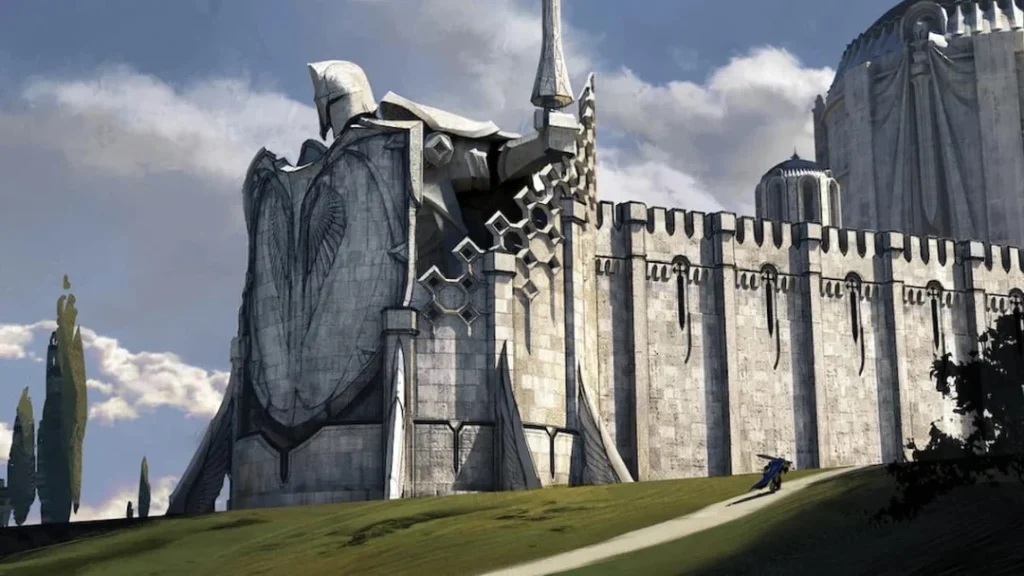
Summoner’s Rift receives a Demacia-themed reskin, replacing the prior winter map with Petricite-infused visuals in white and gold. Turrets and the Nexus maintain their core designs, ensuring minimal disruption to map navigation. Seasonal skins reimagine non-native champions like Taliyah, Nautilus, Cho’Gath, and Morgana as Demacians, with a Prestige edition for Morgana. A cinematic releasing in January will showcase these champions, reinforcing the narrative of duty and resilience. These changes aim to refresh the player’s experience without altering fundamental mechanics, fostering immersion in Demacia’s hopeful yet tense historical context.
Riot Games addresses player feedback on objective overload by removing Atakhan, including its Blood Roses and Petals, which previously offered stacking buffs for experience and damage. This elimination clears river space and returns focus to established elements like dragons and Baron Nashor, the latter spawning at 20 minutes to rebalance mid-game power spikes. Feats of Strength, which rewarded teams for early milestones in monster kills, turret destruction, and champion takedowns, are also eliminated, restoring traditional gold bounties: 100 gold for first blood and 300 gold for the first turret.
Epic monsters across the map gain 15 percent increased durability, with adjustments to armor, magic resistance, and damage output to facilitate contests by trailing teams. Dragon Vengeance stacks now reduce enemy resistances by 15 percent per accumulation, up from seven percent, while comeback experience for dragons and Baron Nashor strengthens for behind squads. These monsters scale stats with champion levels rather than game time, ensuring consistency in modes like the Multiplayer Practice Tool. The updates promote strategic commitments over constant skirmishes, allowing sneak attempts on objectives without excessive risk, as stated in official developer notes:
“We’re excited to deliver on the goals we mentioned at the top of this blog and we think it’ll help move League into a better direction going forward.”
New Faelights appear as predetermined ward spots granting temporary bonus vision, with unique radii per location and a 45-second reveal zone. Some activate at match start, while others emerge post-Elemental Rift transformation, aiding mid and top laners in side-lane pressure and split pushes. Yellow trinket recharge rates accelerate for reliability, and Scryer’s Blooms increase in spawn frequency and locations, supporting safe base exits during deficits or late-game sieges.
These additions build on existing vision systems to make warding more intuitive and accessible, particularly for roles prone to isolation. By empowering wards in key areas, the changes encourage proactive map control without overwhelming new players. Minion and jungle camp spawns advance by 35 seconds – minions at 30 seconds and monsters like Raptors and Rift Scuttler shortly after forcing quicker invade decisions while preserving early strategy. The overall vision overhaul integrates seamlessly with Demacia’s theme, using ethereal light motifs to visually distinguish enhanced zones.
Crystalline Overgrowth accumulates on turrets over time, releasing burst damage upon three consecutive champion hits to simulate a universal Demolish effect. The Demolish rune simplifies to bonus damage on three hits, complementing this mechanic without redundancy. Turret plates persist indefinitely on outer structures and extend to inner and inhibitor turrets, distributing gold rewards plate-by-plate rather than lump sums on full takedowns, which encourages shorter, opportunistic pushes.
Melee champions deal 20 percent increased turret damage, offset by higher base health, while inner turrets lose post-15-minute resistances and outer turrets gain reduced attack damage in mid-to-late game if stationary. Homeguard movement speed extends beyond the outer turret to the farthest pushed minion wave post-laning phase, aiding wave catches, sieges, and regroups but fading in jungle or river. Nexus turrets respawn at 40 percent health, preventing backdoors yet allowing defensive kills without full resets. Minion waves accelerate late-game: every 25 seconds after 14 minutes with one fewer melee on cannon waves, and every 20 seconds after 30 minutes with one fewer caster, alongside super minions per wave post-inhibitor fall to heighten base pressure. These refinements revive split-pushing viability, making sieging a credible alternative to objective-centric teamfights.
Top, mid, and bot lanes gain role quests assigned in lobby, progressing via minions, champions, plates, towers, and epics—faster in the designated lane—completing around support item upgrade timing. These quests eliminate lane swap detection, emphasizing role-specific influence to bolster top and bot’s lower impact. Top laners receive a free Teleport with an enhanced version offering a large health shield if selected; upfront bonus experience, ongoing XP gains, and a raised level cap from 18 to 20.
Mid laners unlock a free tier-three boot upgrade and a four-second empowered Recall on a reduced cooldown, suiting diverse picks like assassins and battlemages. Bot laners earn lump-sum gold, elevated earnings from minions, kills, and assists, plus a seventh slot for boots to enable six full legendaries. Jungle quests remain pet-focused but add gold and experience from large monsters, jungle movement speed, slower early clears, epic monster resists, and amplified Smite damage scaling to 600/1000/1400. Supports retain quest structure for a control ward slot, discounts, and passive gold beyond Redemption, prioritizing quality-of-life over direct power. As developers note, these represent “meaningful power leaning into role strengths,” enhancing satisfaction without disrupting team dynamics.
Nine new items address gaps for subclasses like AP fighters and enchanters, with temporary names pending finalization. Scepter of Bonking empowers Spellblade to double on-hit effects, advancing passives like Diana’s or stacking Gwen’s Q. Emblem of All-Inning offers ultimate haste, post-ultimate attack speed burst, three guaranteed crits, and true damage on existing crits for marksmen. Blood Sphere provides AD-scaling omnivamp, tenacity, and haste, with takedown-boosted sustain for light fighters.
An unnamed AD assassin item grants post-takedown damage-over-time on epics or turrets, lethality-scaled, plus periodic true damage on spells. Mananomicon’s active consumes mana for cooldown reductions and mana-scaled damage, healing, or shielding. Snowbow amplifies AD by distance, extending team attack range on takedowns for cleanup. Buff Engine delivers attack speed aura post-enemy slow or immobilize, longer for melee. Mantle of the Twelfth Hour heals low-health tanks with armor and magic resistance scaling, adding movement speed and tenacity during activation. Savior’s Manabell and upgradable Superbell convert mana to heal and shield power, with Superbell auto-healing the lowest-health ally in combat. Returning items include Hextech Gunblade for hybrid AP/AD with spell vamp, lifesteal, and slowing active; and Stormrazor for AD, crit chance, attack speed, and energized damage plus speed. Critical strike damage reverts to 200 percent baseline, restoring classic marksman feel.
Ranked matchmaking shortens queues by up to 40 percent through refined algorithms, adding a loading-screen climb indicator for MMR-rank discrepancies. Flex queue aligns closer to solo/duo ranks. Autofill prioritizes role matches or equal counts per team, with Aegis of Valor activating on C-grade or higher mastery for no LP loss on defeats and double gains on victories; less popular roles receive occasional triggers. Dodging incurs persistent autofill in Master-plus as full losses, banning hovered champions globally.
Duo queue returns for apex tiers with boosting safeguards. These measures target frustrations in autofill, dodging, and mismatches, promoting balanced teams. As part of broader accessibility, WASD controls deploy December 3, 2025, in unranked queues excluding normal draft, optimizing auto-attack weaving, minion navigation, and dynamic camera with speed tuning; a free-camera scout mode and 45-degree directional input enhance usability.
Swiftplay evolves for quicker games, starting players at level three with bonus gold. Death timers shorten, cannon minions appear every wave after wave three, and a Minion Frenzy effect boosts wave kills. Baron and Elder spawns advance, Dragon Soul requires two dragons, and Voidgrubs plus Rift Herald are removed to streamline pacing. These adjustments maintain core Summoner’s Rift feel while catering to casual play, testing alongside PBE changes from December 3, 2025, ahead of January 7 live rollout.